Tselly interviews Modeotec
Here is my bio:
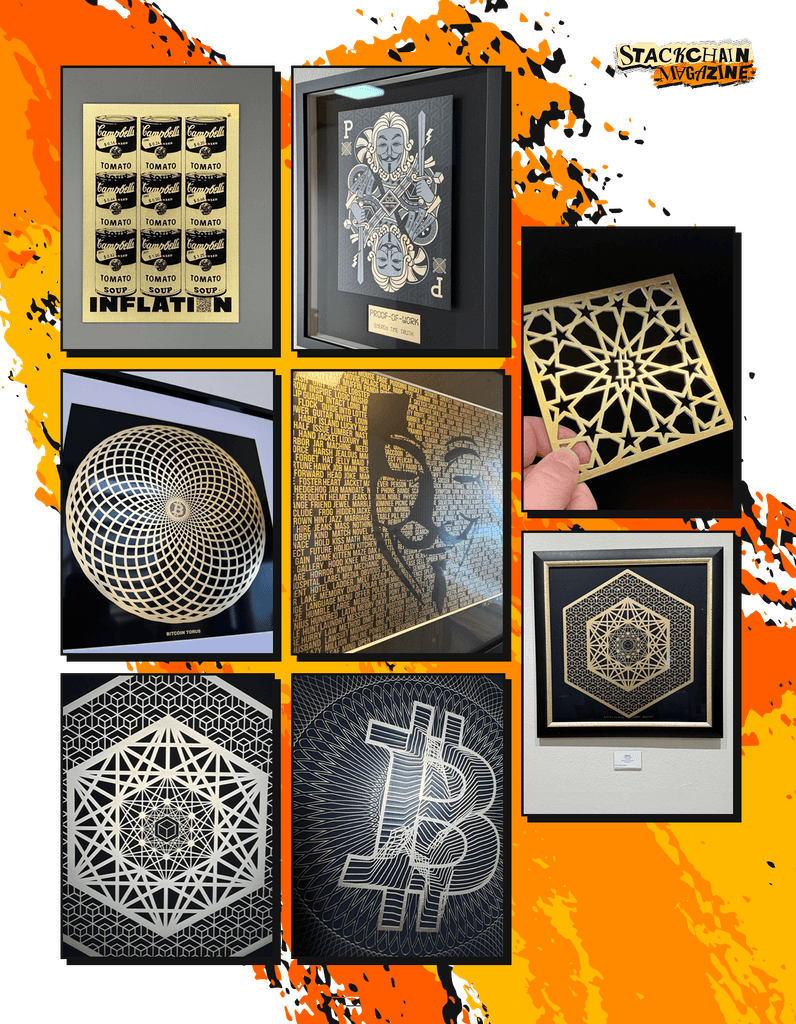
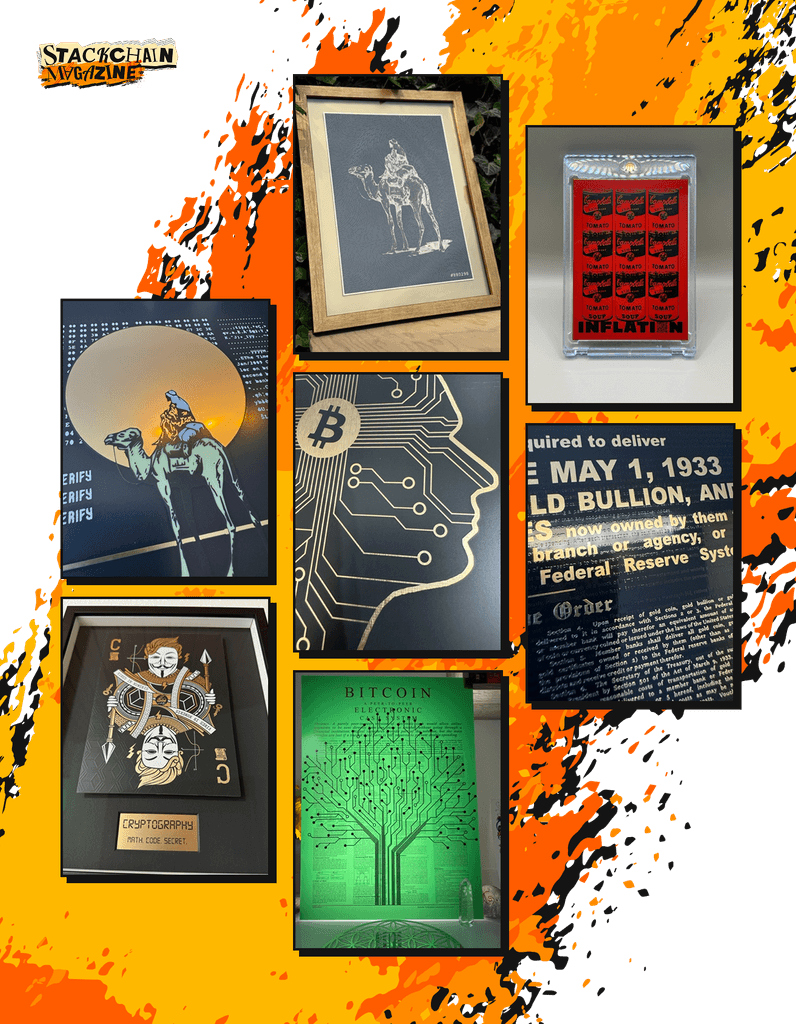
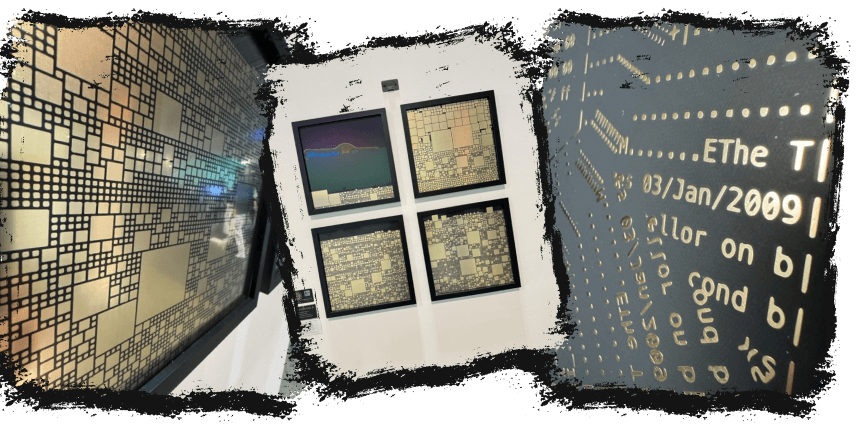
Modeotec is a Bitcoin artist who uses printed circuit boards (PCBs) as his canvas. Working with a reduced color palette of black, white, and 22-karat gold, he creates precise, minimalist, yet expressive artworks. His work explores the connection between technology and art and emphasizes a simple truth: “No PCB, no Bitcoin.”
For him, the circuit board is not just a technical object but a symbol of the digital world, technological progress, and the foundation of Bitcoin. Satoshi Nakamoto wrote the Bitcoin protocol’s code on computers, and every one of those machines depends on PCBs to function. Modeotec makes this hidden foundation visible and tangible.
Through clear structures, geometric forms, and philosophical references, he creates works that reflect the decentralized digital world. His art has already been exhibited internationally in galleries and at Bitcoin conferences — from Amsterdam to Las Vegas to El Salvador.
Modeotec’s goal is to make Bitcoin visible and tangible through physical art, showing how technology, freedom, and aesthetics come together.
Tselly:
What was your first interaction with bitcoin, and when did you start to actually understand it?
Modeotec:
In 2019, I first came into contact with Bitcoin through mining. A friend asked me, as an electronics engineer, to help set up an Antminer S9. I didn’t realize at the time that this ASIC was generating Bitcoin, but once I connected it to a pool, the first sats appeared in the wallet. So before I understood Bitcoin, I had already mined some, and from there, I gradually immersed myself in it.
Who can truly claim to understand Bitcoin 100%? Bitcoin is constantly transforming into something new; its culture shifts, grows, and contracts. Everyone must keep learning. Bitcoin is the opposite of stagnation – it is positive change.
Tselly:
How does bitcoin inspire your work?
Modeotec:
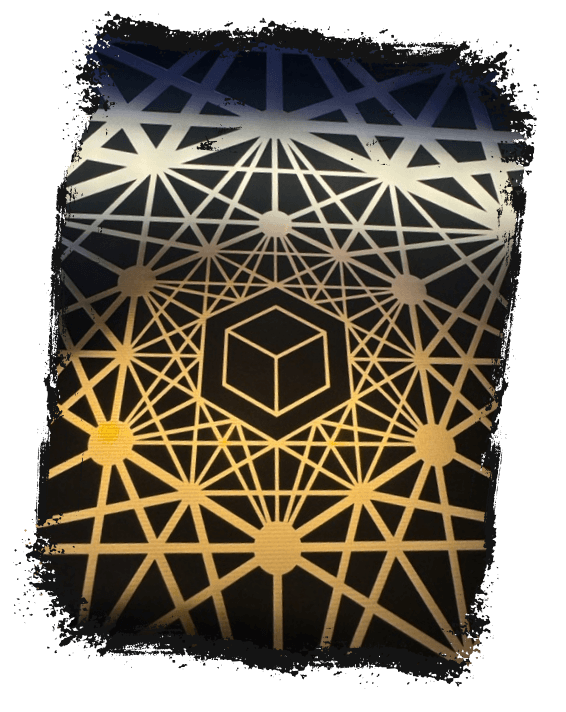
Bitcoin has inspired me through its technical nature. It is like a living organism – its veins and arteries resemble the traces on my printed circuit boards. Satoshi created the Bitcoin protocol’s code on a computer, and every such machine relies on PCBs to come alive. That’s what I want to show: without PCBs, there is no Bitcoin. For me, the PCB is my canvas, a medium to make Satoshi’s vision visible and tangible through physical art.
Tselly:
What are your thoughts on the current direction of modern art?
Modeotec:
Modern art is moving in many directions, crossing mediums, questioning traditions, dissolving boundaries. What excites me most is how Bitcoin art enters this space. Unlike conventional art, it doesn’t just carry symbolic or cultural value, it embodies a new form of value itself. Bitcoin art unites aesthetics with technology, code, and monetary truth. My own work with PCBs makes this visible: circuits become veins, and copper traces become lifelines. It’s not only art to look at, but art that resonates with the foundation of a decentralized system. Bitcoin art creates a value that traditional art alone could never generate.
Tselly:
It’s obvious you are passionate about bitcoin. What are some outside influences you use in your work?
Modeotec:
Outside of Bitcoin, I’m very inspired by sacred geometry and the harmony of clear lines like triangles etc. I love the precision and balance of Bauhaus and Op-Art, but at the same time I feel deeply connected to abstract movements like Cubism, artists such as Klimt, Picasso, or Dalí. For me, these worlds come together with the geometry of PCBs: circuits become patterns, order meets abstraction, and technical structure turns into a new kind of art. It’s in this dialogue between geometry, modernism, and abstraction that I find my own language as an artist.
Tselly:
At the end of the day, Bitcoin is only a tool. We need to rebuild our communities and local circular economies with that tool. What have you learned as a bitcoin entrepreneur building within our space, and what recommendations do you have for others trying to build as well?
Modeotec:
What I’ve learned as a Bitcoin entrepreneur is that networking and real exchange with others is essential. The people I meet in this space think differently than those caught in the fiat system — they live with a long time preference, focused more on tomorrow than just on today. As an artist, you’re allowed to look beyond the obvious, to step outside the frame and explore not only aesthetics, but also the social and monetary dimensions of our time. My recommendation to anyone building here is: stay authentic, connect deeply with people, and let your work contribute to the long-term growth of our communities and circular economies. Bitcoin is the tool, but it’s what we build with it that truly matters.
Tselly:
What upcoming projects would you like our audience to be excited about?
Modeotec:
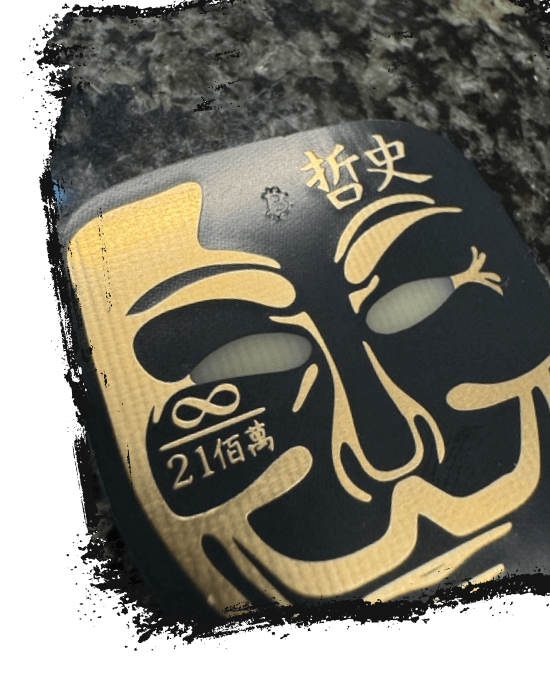
I will continue to refine my technique — until now, my artworks had no electronic function, but that will change. I want the viewer to interact with the piece, to experience it as it comes alive with LEDs, sensors, mechanics, and other fascinating elements. Just as people evolve when they engage with Bitcoin, my art is also transforming. Stay tuned.
Tselly:
When learning about Bitcoin it’s hard not to fall down other rabbit holes. What are the coolest and weirdest rabbit holes you’ve encountered?
Modeotec:
Bitcoin was only the entrance to a labyrinth of other rabbit holes. I wandered into the language of electronics, the silent logic of mathematics, the hidden curves of topology. A single ASIC became a key that unlocked the geometry of circuits and networks. Even ancient number systems and cryptography appeared before me, not as abstract knowledge, but as unexpected patterns now woven into my art. That was cool!
One of the weirdest rabbit holes for me wasn’t technical at all — it was human. Meeting people who refuse to even look at Bitcoin taught me more about psychology than technology. The denial, the short-term thinking, the almost religious trust in the fiat system- that was stranger than any technical rabbit hole I’ve been down.
Best regards
Modeotec
Note from Stackchain Magazine: No Bitcoin (or inferior monies) were exchanged for this article. You can find Modeotec on X @ModeotecArt ,on Nostr modeotec@primal.net. If you’d like to send Modeotec some 丰 for the article you can do so via LN modeotec@primal.net