
Bitcoin Beyond Borders: Localized Learning Strategies
The year was 2017. I had been an international educator for eight years by that point, but for some unknown reason, whenever I attempted to educate people about my newfound digital shiny object, bitcoin, it seemed to have fallen on deaf ears. It was only after a whole lot of self reflection I discovered that I was my own worst enemy. No matter how many reasons I tried to convince myself that others were just ignorant, the lack of empathy continued to hide the truth of the matter. The truth was I had jumped neck deep into bitcoin solely for the number go up (NGU) technology and that meant I was in it for all the wrong reasons.
In 2016 I arrived in Saudi Arabia to work hand in hand with the Royal Saudi Air Force, which just so happens to be one of the largest and most modern air forces in the Middle East thanks to the UK and USA. Despite the enormous oil wealth collected by Aramco that helps support economic development in the country as a whole, many of these young airmen were simply taken off the street to join the military as they had no better prospects in the vast desert. As for the cadets, all they cared about was cigarette and gas money to fuel their death defying highway drifting excursions. The teachers on the other hand were not impressed with the massive growth in the value of my bitcoin holdings, as they were old enough to have lived through a few recessions and were more educated on market bubbles than I was. As I had entered the bitcoin space with the anticipation of filling up my fiat bags and cashing out at some point to get the hell out of Saudi, nobody cared to listen to my rudimentary level understanding of bitcoin. Rightfully so.
As far as my coworkers’ thoughts about that, I was young and inexperienced in investing. They were much older and had portfolios filled with small amounts of stocks and gold, but not enough to keep them out of the misery derived from teaching in Saudi Arabia in their remaining few years of life. Well, I’m here to tell you that they were right, but sometimes that inexperience makes one actually study harder than others to really get to the bottom of the rabbit hole showcasing the massive potential of bitcoin, and that’s exactly what I had done. Challenge accepted! Little did they know that bitcoin was exactly their ticket to getting out of Saudi Arabia, if only they had considered it, but they didn’t.
My first year was completely wasted by focusing on the daily price rather than educating myself on the paradigm shift in the global economic orders and monetary systems. Teachers said it’s not backed by anything, while students didn’t know if it was haram or halal to exchange some Saudi Riyals into bitcoin. Clerics were divided on the issue in regard to Islam and most were extremely old and had no concept of what a digital money could do for the world. Rather than taking the time to learn, cadets simply bought more gas and cigarettes on their way to pick up chicks at the mall, in secret of course as that’s forbidden. Personally, I didn’t care to provide answers to their doubts because I was engrossed in the dollar value on its trip to the moon. This would all change as I set off to Afghanistan where we had more than enough downtime due to insider attacks and car bombs rattling our building to dedicate the necessary time to actually studying bitcoin beyond its price in dollars. By 2018, there was a flood of bitcoin educational materials available for anyone willing to study them. I knew that I had to work towards the 10,000 hours needed to fully understand it before I could start to understand the unique use cases for individual countries. Without putting in the time, I wasn’t going to be able to communicate it clearly to anyone else, especially with the language barriers faced in foreign countries.
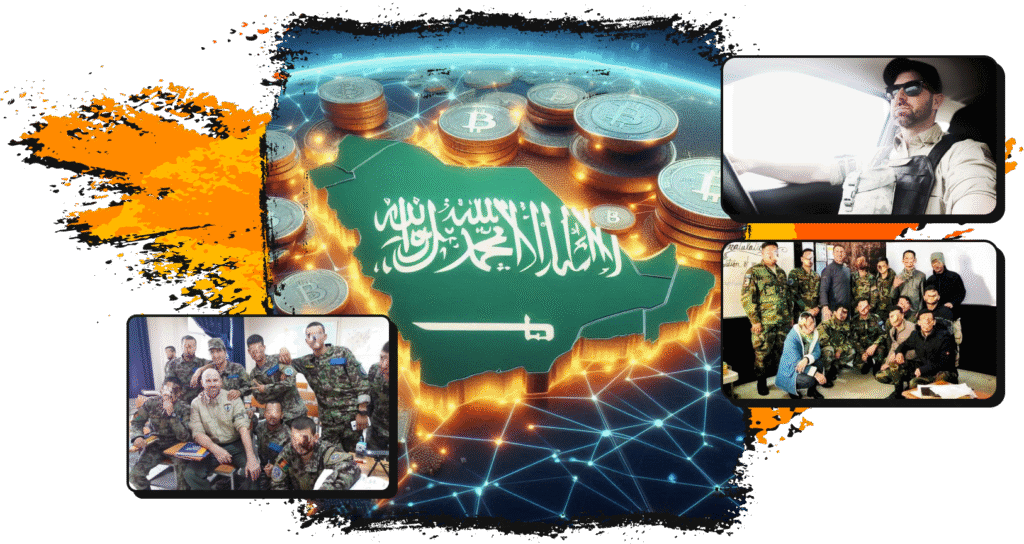
I soon had an epiphany that depending on which country I was in, I had to figure out local on the ground problems that bitcoin could solve. The question I attempted to answer quickly became, how can bitcoin help this specific community in their struggles? The drive was no longer about getting rich on bitcoin, but instead about solving global problems that many locals didn’t have the luxury of escaping. It was time to start putting all those thousands of hours of studying into real world practice. Studying NgU technology turned into studying banking problems, the movement of money in and out of countries, and societal issues that bitcoin potentially could change for the better.
In 2018, I walked down the metal walkway around the oversized cargo boxes and soldiers dimly lit with green tactical lights to find an empty seat on the military airplane, put in my ear plugs to eliminate the incredibly high decibel sounds emitted from the roaring plane engines, and mentally asked myself what the hell I was doing flying into an active war zone.
The Afghan Air Force dramatically grew after 2001 with the support of the USA and the United Nations. My arrival, 17 years after my own military service, had shown me that the pilots and mechanics we were training were not capable of defending their country without the additional support of foreign militaries. As quickly as the Afghan Air Force had transformed into a mildly capable force, it fell apart just as quickly when the Taliban swiftly took over in 2021 upon America’s abrupt exit. For most of the cadets, they were born and raised during this entire period of war and joining the military was simply a way to feed and raise a family. They knew the end result could be death by Taliban during the war, or even worse, after the war, but they accepted their fate in hopes of a better life.
In Afghanistan, local military soldiers that worked with the USA had high hopes that they would receive visas to go to America once the war ended. Most of the young soldiers grew up in war in and around the mountain peaks surrounding Kabul and knew little else. Sadly, the US didn’t quite live up to their end of the agreement. Many soldiers were left behind and had to go into hiding or face horrific outcomes such as being beheaded in front of their wives and children for working with American forces. Sad but true story. In my lessons about turbo prop engines and tarmacs, I would sprinkle in some bitcoin education, knowing it was one more avenue that could help save them by providing mobility and financial options once foreign soldiers inevitably would leave them to defend their own country. Unlike the cadets in Saudi Arabia, the cadets in Afghanistan valued education as it was the key to the world for them. They were just as eager to learn about bitcoin as they were about learning Aviation English. They were both equally important. They were particularly intrigued that you could transfer any small amount of money you had out of the country going unnoticed by authorities or thieves. This was crucial as many were forced to illegally cross borders with very few items to escape the Taliban government in 2021. For Afghanistan, being able to retain any amount of wealth, big or small, meant bitcoin was a savior for them. It was the golden ticket to starting a new life in a better country to later bring the rest of their family to reunite with them once settled in. With English and bitcoin they felt unstoppable.
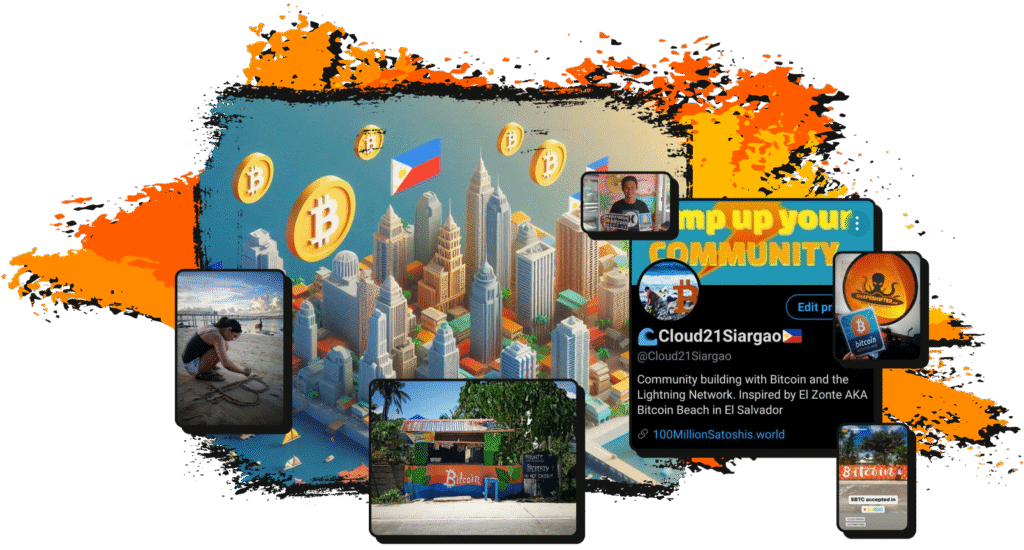
This was in stark contrast to the use case for the teachers there that were making insane amounts of money by working as military contractors. With bitcoin below $10,000, contractors could easily pick up 1+ bitcoin every single month if they wanted as a speculative asset or to diversify their portfolios. I held informal meetings for any teachers that had investments they were willing to talk about with other teachers. We could all learn from each other, but bitcoin was pretty new to most of them. It seemed risky as they wished to not gamble away their salary from a war zone on some computer code. This was a world of thought far away from what the locals were experiencing, yet it proves that bitcoin is for everyone and could solve a wide variety of problems.
After a couple years spent in Afghanistan and getting through the 2020 Covid-19 lockdowns, I relocated to the United Arab Emirates. Emiratis are arguably the most well taken care of citizens by their government. What does free education, land, and access to financial tools lead to? It leads to a very carefree attitude about money. It comes and it goes like a cool breeze across the hot desert. While Afghanistan experienced their current war from 2001-2021, the United Arab Emirates, during that same 20 years, saw immense growth into a sparkling global hub adorned with the world’s largest building, the first 7 star hotel, and immense economic growth as they don’t generally care where your money came from as long as you want to invest it in the UAE.
Whereas the Saudi Air Force was generally considered a program to keep jobless youth off the streets, and the Afghan Air Force was a lifeline to help local Afghans feed their families while dreaming of one day relocating to America, the Emirati Air Force was essentially an easy job for anyone that wanted to play soldier. The UAE is an extremely safe country, so why would they need a military? At times they would support other militaries, but in general, they would train knowing that the likelihood of having to fight in a war zone for extended years was very minimal. Some Emiratis love jets and weapons as much as they love their supercars and beach clubs, and the military was one way to enjoy all of them.
With Dubai being a huge playground for the wealthy, many had seen the yachts and Lamborghinis paraded around during the 2017 bitcoin bull run. As the 2021 bitcoin bull run came into full swing, many Emiratis and foreigners had contributed to the social media buzz of supposed overnight millionaires from trading bitcoin and a plethora of altcoins. Bitcoin was simply a play toy to take a shot at getting rich or losing it all, but nobody seems to care when money just comes and goes day in and day out there. There was no “keeping up with the Jones’” – Dubai was all about “keeping up with the Mohammad’s”. The sky was NOT the limit! So, what was the overall use case in the UAE? In my opinion they actually contributed to friendly government regulation and showed the world how it could be incorporated into everyday life. Bitcoiners could purchase real estate, jets, and supercars with bitcoin in Dubai. There were brick and mortar shops to exchange Dirhams for Satoshis. There were large social events and smaller gatherings. All of this contributed to a greater awareness and education about how a country can successfully adopt bitcoin well beyond the ideology that it is just for criminals. This led to my bitcoin educational role being much smaller than in other countries. To complement what was already happening in Dubai, I decided to start up a Whatsapp group for bitcoin only meetups in my area. I saw it as a shining light of truth amongst the plethora of WhatsApp groups focused on trading altcoins and other pump and dump schemes notoriously found all throughout Dubai. My mentality was that there was always room in a crowded room to focus solely on bitcoin and to steer degenerate gamblers away from trading alts.
After a couple years in Dubai, it was then time to say goodbye to the fake beaches and bling bling and to say hello to the natural beaches and wood shanties of the hidden gem named Siargao, Philippines. It had been devastated by a hurricane and locals and small businesses alike were basically starting from scratch to rebuild.
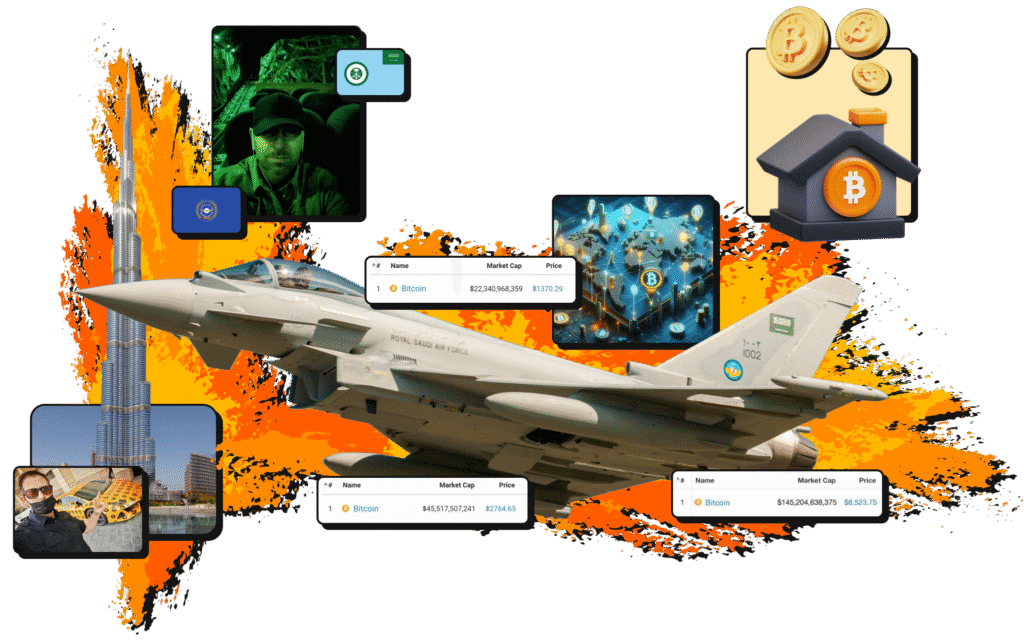
Despite the destruction on land, the natural beauty of its pristine beaches and rock formations remained unfazed. As 2022 unfolded and the bitcoin price retraced down to around $15,000 USD, I saw the potential in attempting to make Siargao the next Bitcoin Beach like in El Salvador. Siargao was a jewel of an island that hadn’t really hit the mainstream yet. I asked myself, who could benefit from bitcoin there? I decided to try to build a small community and incorporated some locals and foreigners alike in getting this accomplished. The power of social media was big in Siargao. I created an instagram account, Cloud21Siargao, to reach out to small businesses and talk to them about accepting bitcoin at their locations. We painted large bitcoin murals next to the city center basketball courts as well as near the most popular surf spot known as Cloud 9. I would leave small business card size fliers with URLs to popular bitcoin education sites every time I went out and do Satoshi giveaways at popular beach pubs on quiz nights. Gorilla marketing was the tactic in spreading bitcoin awareness across the island. Getting locals involved in the vision was key as I would not be living there forever. Unlike Dubai, I was much more engaged in larger scale projects to help in the introduction and adoption of bitcoin on the island.
For small businesses, the use case was simply accepting bitcoin to draw more tourism which in turn brings in more money to help in rebuilding. Even if bitcoiners weren’t coming right away, simply acknowledging that they accepted bitcoin would get the word out. Shapeshifter Siargao Surf Shop and Pukah Restaurant helped start the movement and proudly posted up on btcmaps.org to plant the bitcoin flag in the sand that they were willing to accept bitcoin. A few other small businesses waited on the sidelines to see what would happen the upcoming year with the price of bitcoin and overall adoption. We all know what happens the longer you wait.
One use case that is often underrated, but was something of interest in Siargao, was the cash payments given to locals in desperate need of financial help. Speaking with an active government member, one issue many local families faced was that they would receive their government stipend in cash, but had no access to bank accounts. Whether it be from red tape or just old ideologies, often that paper money would end up in a bamboo tube stored under the bed. Rain, fire, bugs, mold, and theft were all reasons that the safely guarded money could end up gone. Could bitcoin solve this issue? Absolutely. Although it wasn’t accomplished during my time there, it brought up a great use case that can add value to communities through government assistance backed by bitcoin. In short, many in the community saw the potential and were willing to continue to work in the interest of bitcoin adoption throughout the island. The seed had been planted, and as most of us can agree, once you hear about its potential, we all end up exchanging our local currencies for the strongest global currency at the price we deserve.
By this point, I had felt as if I was starting to understand how many different use cases bitcoin has for different cultures and people all around the world. Although it may seem at times that cultures and people vary greatly, the diverse use cases of bitcoin are able to solve problems across borders seamlessly. Does bitcoin fix everything as many claim? That is to be determined, and with that question in mind I flew into the belly of the dragon in 2023.
Hong Kong and Taiwan have welcomed bitcoin adoption and have created regulations in favor of bitcoin, but despite the “One China” policy, Mainland China is another story. Knowing that China as a country holds just under 200,000 bitcoin and is in second place to America’s holdings of just over 200,000 bitcoin, I was intrigued to find out what the sentiment on the ground was for bitcoin. Bringing it up in casual conversation with foreigners living in China was received well and I was pleased to find out that it was in fact possible to exchange the local RMB currency for bitcoin. In China, there is a way to do anything you want. Despite tight restrictions on currency leaving the country, locals always find a way. Buying bitcoin is no different.
Again, upon entering I knew that China had once been a large majority of the bitcoin hash rate until the mass exodus happened under the heavy hand of new regulations. The Chinese are very aware of bitcoin, but I was unsure of their knowledge on a deeper level. I didn’t want them to get hung up on the NgU technology like I had many years prior. My lessons for students would often involve speaking prompts about bitcoin. This meant they had time to prepare their speeches and it would force them to research about bitcoin. Often during class breaks was when students would ask one-on-one questions for an even greater understanding. The culture here is to not stand out amongst your peers, therefore leading to more privatized talks about all things bitcoin. You also never know who is listening and may report you to the authorities for asking inquisitive questions.
I knew gorilla marketing had worked in Siargao, Philippines, from the engagement on the Cloud21Siargao Instagram page. I decided that stickers, flyers, and posting on the famous Chinese WeChat app were excellent methods to reach the youth in China about bitcoin education. As it is still illegal in China to buy/sell bitcoin, I felt that at a minimum, education was a great start. Will China allow its people free and open access to bitcoin? It’s hard to determine. In some ways China remains communist, while in other ways they greatly resemble a more capitalistic society. Could bitcoin fit into their digital payments system they already use daily? Yes, it’s as simple as adding another QR code at the registers that they already have implemented. It would be the smoothest transition here to actually using it as a currency. The real question is, will the government allow people to use anything other than a state sanctioned currency? As they move towards a CBDC, bitcoin could come much later. Time will tell.
One area of concern amongst many citizens here is the apparent social credit score that limits your movement and overall freedoms. The program is still in its infancy, but some citizens that are outspoken are already incapable of purchasing train or plane tickets. Frozen funds and the inability to spend your earnings as you wish are also a growing concern. These are all points of interest when it comes to how bitcoin can fix societal issues faced by citizens of any given country. Whether these stories prove to be true or if these programs continue to expand is still undetermined, but anyone that potentially faces backlash for their beliefs will surely be looking to bitcoin as a safety net.
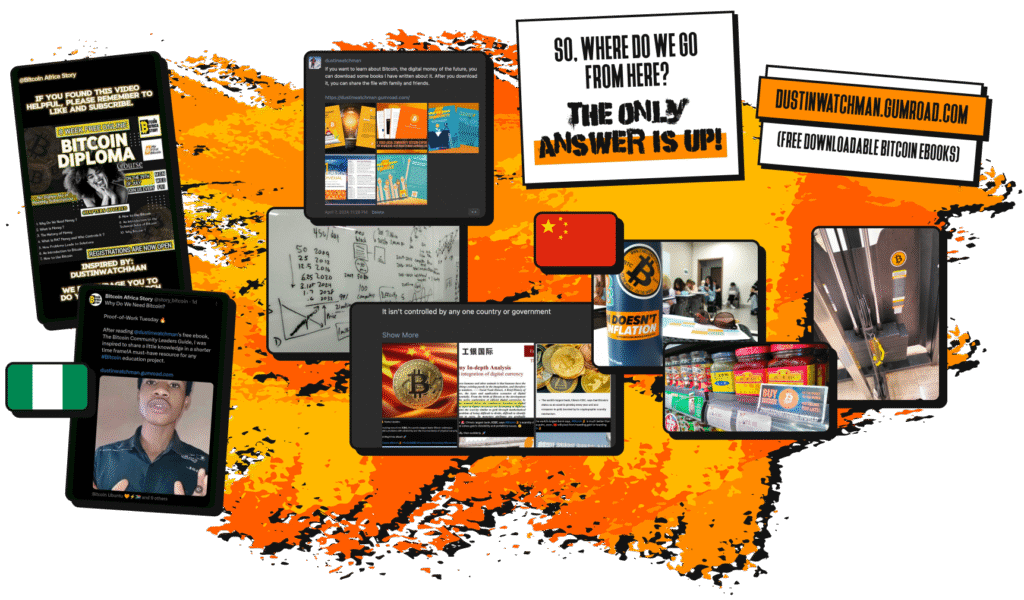
So, what’s next? Along this country-hopping journey I have written multiple bitcoin ebooks for all to download for free (dustinwatchman.gumroad.com). They have helped answer many of the repetitive questions I came across in this journey. The latest project that is using them as part of their Bitcoin Diploma curriculum is Bitcoin Africa Story, @story_bitcoin on X. Against all odds, Nigeria has seen immense bitcoin adoption over the past few years and I continue to have high hopes for success as many of their youth are stepping up and educating the nation about bitcoin.
Across the world there are many bitcoiners stepping up to the plate to educate locals, businesses, and anyone else willing to listen and learn. I applaud all their efforts. Educators with boots on the ground in the communities is something that will continue to grow with every bitcoin cycle. At times it is grueling and intense, and we want to give up – but we see the light in the eyes of those seeking a brighter future. That is what drives us. We should all focus on supporting these educators however we can. Finding the unique use case for bitcoin in any country, community, or business can be challenging. I have experienced firsthand the mistakes that can slow down any progress in bitcoin education when one doesn’t evaluate the current situation properly. The adage of listening twice as much as we speak holds profound truth. Some would even say this is why we have two ears and one mouth. As Stephen Covey emphasized, understanding precedes being understood. This fundamental principle is the cornerstone of effective Bitcoin education across diverse cultures.
So, where do we go from here? The only answer is up!
Dustin Watchman
Note from Stackchain Magazine: No Bitcoin (or inferior monies) were exchanged for this article. This article was written by Dusty Watchman, a Bitcoin enthusiast and author focused on promoting Bitcoin adoption, the Lightning Network, family and community empowerment. You can find Dusty Watchman on X @dustinwatchman . Bitcoin ebooks for all to download for free dustinwatchman.gumroad.com . If you’d like to send Dusty some 丰 for the article you can do so via LNURL dustinwatchman@strike.me